
Quick Answer
Fall is the best time to check a Twin Cities garage door before winter arrives. The short version: inspect and replace worn weatherstripping, tighten loose hardware, lubricate rollers and hinges, test the auto reverse safety sensors, clear the tracks of summer debris, and listen for new noises during opening and closing. Handling these small items yourself in September and October works for most homes, but it is also a good time to schedule a checkup with a garage door service in Minneapolis if anything on the list feels beyond a quick DIY fix, so the door, opener, and seals are ready for the freeze and thaw cycles that come once winter sets in.
Why Fall Is a Turning Point for Twin Cities Garage Doors
Minneapolis and Eden Prairie see some of the widest temperature swings of the year during fall. A 70 degree afternoon can be followed by a 30 degree night in the same week, and that kind of daily expansion and contraction is hard on metal tracks, rubber seals, and opener hardware. Homeowners who already read about how summer heat and humidity affect garage door sensors, panels, and seals know that Minnesota weather does not go easy on a garage door in any season. Fall is really the transition point where small summer wear turns into a winter problem if it goes unchecked.
Six Step Fall Garage Door Checklist
| Step | What to Check | Why It Matters |
| 1. Weatherstripping | Inspect the rubber seal along the bottom and sides for cracks, gaps, or stiffness | Worn seals let cold air, leaves, and pests into the garage |
| 2. Hardware | Tighten visible bolts, brackets, and hinges | Vibration loosens hardware over a full season of use |
| 3. Rollers and hinges | Lubricate with a garage door specific lubricant, not household oil | Reduces grinding and noise as temperatures drop |
| 4. Tracks | Clear leaves, dirt, and cobwebs; check for bends | A bent or loose track gets worse once ice forms |
| 5. Safety sensors | Wipe lenses, confirm a steady light, test auto reverse | Fall condensation affects sensors the same way summer humidity does |
| 6. Opener and remotes | Test the wall button, remotes, and keypad; replace weak batteries | Cold weather is hard on battery performance |
Twin Cities Seasonal Temperature Swing
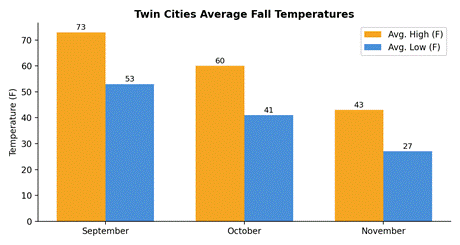
Average high and low temperatures across a Twin Cities fall. The wider the daily swing, the harder metal tracks and rubber seals have to work.
Weatherstripping and Seals: What to Check
The bottom seal and the side and top weatherstripping are the first line of defense against cold air, leaves, and pests, and they are also the parts most likely to have quietly worn out over the summer. Run a hand along the bottom seal and look for flat spots, cracking, or sections that no longer make full contact with the floor. Side and top seals should still be flexible; if they feel stiff or brittle when you press on them, they have likely lost their ability to seal properly once temperatures drop. Gaps you can see daylight through, or a seal that has pulled away from the track, are both signs it is time for a replacement before the first freeze rather than after.
Opener and Sensor Care Going Into Winter
Openers and sensors work harder in fall than most homeowners realize. Cold mornings put extra strain on the motor, and older battery backups can fail without warning once temperatures start dropping. Test the wall button, both remotes, and the keypad to confirm everything responds promptly, and swap in fresh batteries anywhere performance seems sluggish. While you are at it, wipe down the safety sensor lenses and confirm the indicator light holds steady, since a beam that is even slightly out of alignment tends to get worse, not better, once condensation and frost become part of the daily cycle.
When a Repair Becomes More Than a DIY Fix
Most of this checklist is homeowner friendly, but a few findings are worth a professional look before winter locks them in place. A bent or loose track is one of them; we covered the warning signs in why garage door tracks come loose or bend. Stripped hardware, a sensor that will not hold alignment after cleaning, or a spring that looks stretched or rusted are others. For a deeper look at year round upkeep, our earlier post on five essential maintenance tips to keep your garage door running smoothly is a good companion to this fall specific checklist. As a full service garage door service in Minneapolis, Sam’s Garage Services offers a free estimate for any item on this list that goes beyond a quick DIY fix.
Frequently Asked Questions
Q: How long does a basic fall garage door check take?
A: A homeowner can usually walk through weatherstripping, hardware, lubrication, and a sensor test in well under an hour once a step by step checklist is in hand.
Q: What kind of lubricant should I use on garage door rollers and hinges?
A: A silicone based or garage door specific lubricant works best. Household oils attract dust and grit, which can make grinding noise worse over time rather than better.
Q: Should I check the garage door before or after the first hard freeze?
A: Before. Once seals and hardware are already stressed by a hard freeze, a fall check turns into a repair instead of routine maintenance.
Q: Can I do this checklist myself, or do I need a technician?
A: Most of the checklist, weatherstripping, hardware, lubrication, and a basic sensor test, is homeowner friendly. If you find a bent track, stripped hardware, or a sensor that will not hold alignment, that is the point to call a technician.
Ready for a professional check before winter? Call Sam’s Garage Services at 952.234.9090 for trusted garage door service in Minneapolis. We offer a free estimate and serve Minneapolis, Eden Prairie, Saint Louis Park, and Richfield with same day and next day appointments.